Can Varicose Veins Return After Treatment?
Wiki Article
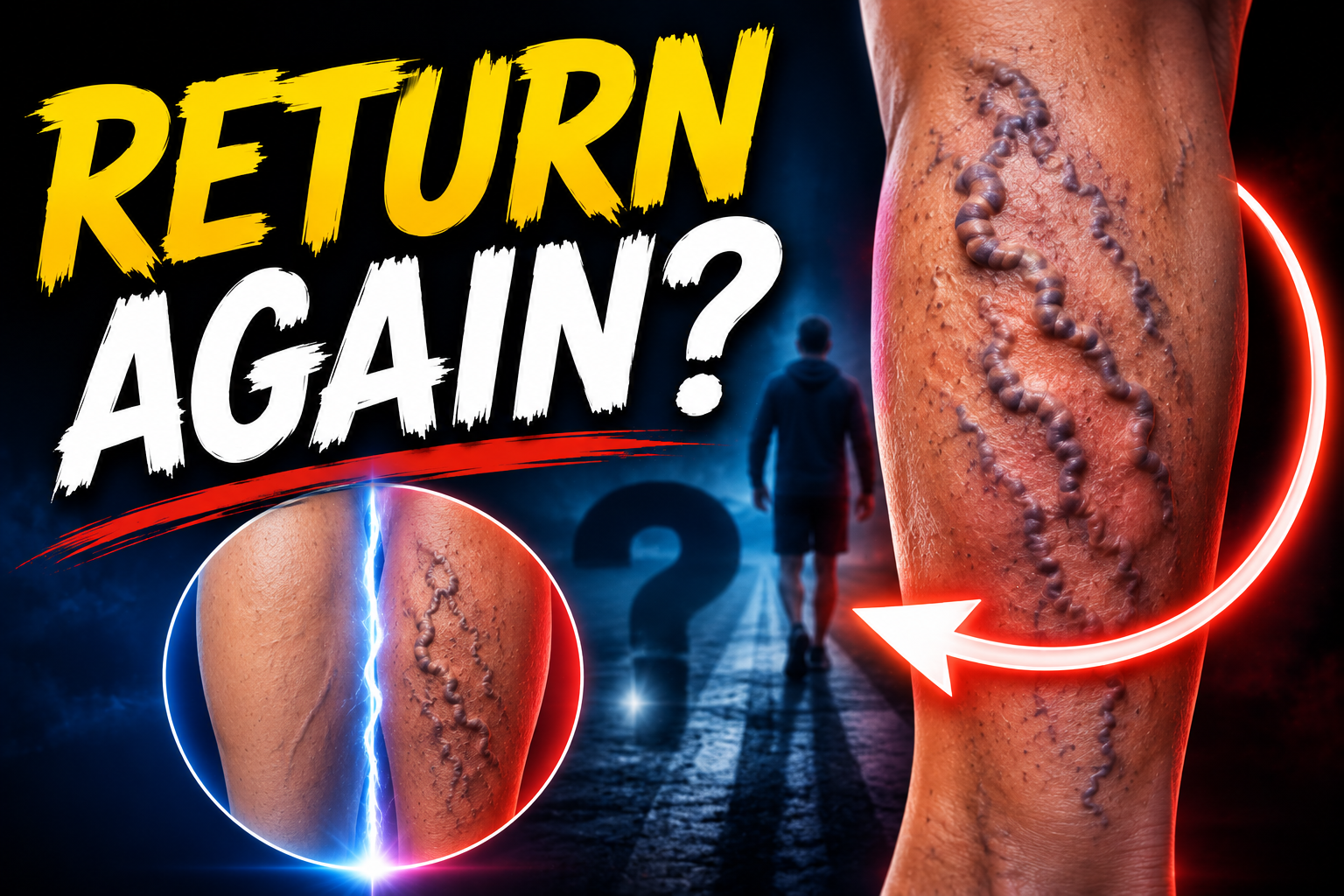
Yes, varicose veins can return after treatment, but this does not always mean the original treatment has failed. Modern minimally invasive procedures effectively treat the affected veins, yet varicose veins are part of a chronic vein condition that can affect other veins over time. Factors such as genetics, aging, prolonged standing, pregnancy, and the development of new damaged veins may contribute to recurrence. Regular follow-up and healthy lifestyle habits can help maintain long-term vein health.
Many patients wonder whether treatment provides a permanent cure. Understanding varicose veins treatment helps explain why recurrence can occur and how it is managed.
Can Treated Varicose Veins Come Back?
In most cases, a successfully treated vein does not reopen.
However, new varicose veins may develop because:
Other vein valves may weaken over time.
Chronic venous disease can continue to progress.
Previously healthy veins may later become affected.
This is why follow-up care remains important after treatment.
Why Can New Varicose Veins Develop?
Several factors may increase the likelihood of recurrence, including:
Family history of vein disease
Increasing age
Pregnancy
Obesity
Prolonged standing or sitting
Chronic venous insufficiency
These factors may affect veins that were not diseased at the time of the original treatment.
Does the Type of Treatment Affect Recurrence?
Modern treatments aim to permanently close the affected vein.
Common treatment options include:
Endovenous Laser Treatment (EVLT)
Radiofrequency Ablation (RFA)
Ultrasound-guided foam sclerotherapy
According to the Society for Vascular Surgery, these minimally invasive treatments have high long-term success rates when appropriately selected and performed.
How Do Doctors Check for Recurrence?
Doctors usually recommend follow-up evaluations that include:
Medical history
Physical examination
Duplex Ultrasound
The ultrasound helps assess:
Blood flow
Vein valve function
Venous reflux
Previously treated veins
Any newly affected veins
This allows doctors to identify recurrence early and recommend appropriate management.
Can Lifestyle Changes Reduce the Risk?
Yes.
Although recurrence cannot always be prevented, healthy habits may support long-term vein health.
Doctors often recommend:
Walking regularly
Maintaining a healthy weight
Avoiding prolonged standing when possible
Elevating the legs after long periods of standing
Wearing compression stockings when advised
These measures help improve circulation and reduce pressure within the leg veins.
What Symptoms May Suggest New Varicose Veins?
You should seek medical evaluation if you notice:
New bulging veins
Leg pain
Heaviness
Swelling
Night-time leg cramps
Skin discoloration
Symptoms returning after previous treatment
Early evaluation allows prompt management before symptoms worsen.
Can Recurrence Be Treated Again?
Yes.
If new varicose veins develop, treatment options are often available.
Depending on the Duplex Ultrasound findings, doctors may recommend:
Endovenous Laser Treatment (EVLT)
Radiofrequency Ablation (RFA)
Ultrasound-guided foam sclerotherapy
Compression therapy for symptom management
The most appropriate option depends on the location and severity of the new vein disease.
Why Is Long-Term Follow-Up Important?
Regular follow-up helps doctors:
Monitor vein health
Detect new venous reflux
Evaluate treatment success
Recommend early intervention if new vein disease develops
Because chronic venous disease may progress over time, ongoing monitoring is an important part of long-term care.
Conclusion
Varicose veins can return after treatment, but recurrence often involves the development of new damaged veins rather than failure of the original procedure. Factors such as genetics, aging, pregnancy, and chronic venous disease can contribute to new varicose veins over time. Regular follow-up with a physical examination and Duplex Ultrasound helps detect changes early and allows timely treatment when needed.
For patients who develop recurrent symptoms, minimally invasive procedures such as Endovenous Laser Treatment (EVLT) continue to provide effective treatment by closing the newly affected veins while preserving healthy circulation. Individuals seeking long-term vein care can consult a best doctor for varicose veins in jaipur to discuss the most appropriate management based on their symptoms and ultrasound findings.
Frequently Asked Questions
Can varicose veins return after treatment?
Yes. While treated veins usually remain closed, new varicose veins may develop over time because chronic venous disease can affect other veins.
Does recurrence mean the treatment failed?
Not necessarily. In many cases, recurrence is caused by newly damaged veins rather than reopening of the treated vein.
How do doctors detect recurrent varicose veins?
Doctors use a physical examination and a Duplex Ultrasound to evaluate blood flow, vein valve function, and identify any new venous reflux.
Can recurrent varicose veins be treated again?
Yes. Depending on the findings, treatments such as Endovenous Laser Treatment (EVLT), Radiofrequency Ablation (RFA), or ultrasound-guided foam sclerotherapy may be recommended.
Can lifestyle changes help prevent varicose veins from returning?
Healthy habits such as regular walking, weight management, avoiding prolonged standing, and following your doctor's advice may help support long-term vein health, although recurrence cannot always be completely prevented.
Report this wiki page